हिंदी में पढ़ें
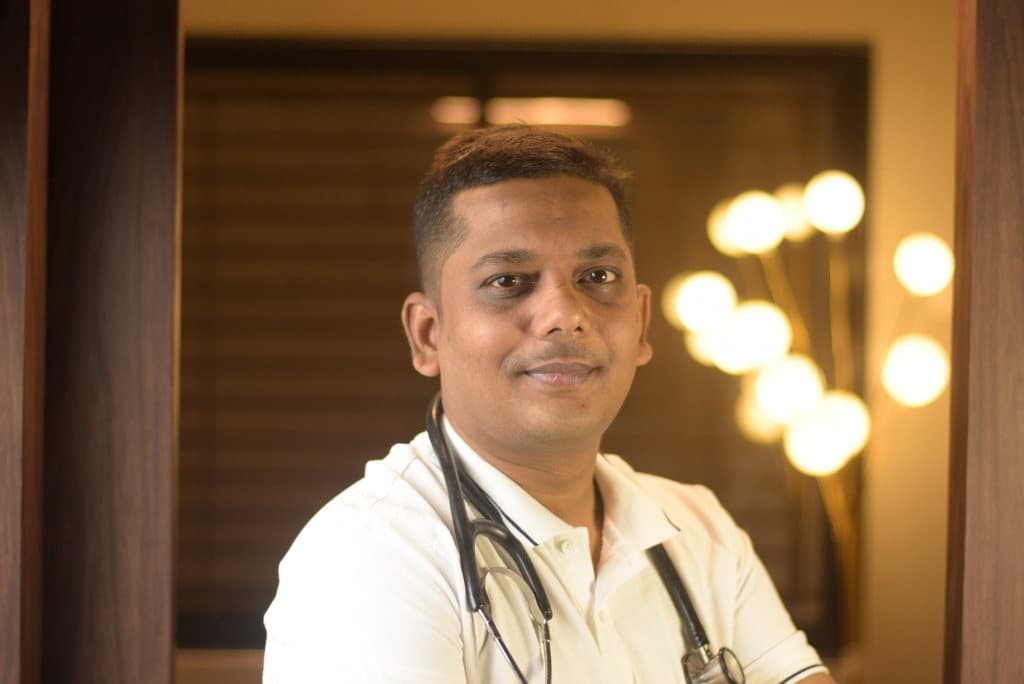
Dr. Shadab Khan

Dr. Shadab Khan

Verified Doctor

M.D. (Homoeopathy) | MUHS, Nashik

Reviewed: Jul 202610 min read

Facial Hair, Acne and Hair Fall in PCOD — The Androgen Story

The symptoms that hurt most in PCOD are often the visible ones — coarse hair on the chin and upper lip, acne that won't quit, and scalp hair quietly thinning. All three trace to one root: androgens. Understanding that connection is the key to treating them properly instead of chasing each one separately.

1Three Symptoms, One Root: Androgens

Facial hair, acne, and scalp hair thinning look like three unrelated problems. They are actually three faces of the same cause: raised androgens (male hormones like testosterone, which all women have in small amounts).

In PCOD, insulin resistance drives the ovaries to produce excess androgens. These androgens act on the skin and hair follicles in a cruelly uneven way:

On the face and body, they convert fine vellus hair into coarse, dark terminal hair → hirsutism (chin, upper lip, jawline, chest).
On the scalp, the same androgens do the opposite — they miniaturise follicles → hair thinning in a male pattern (crown, parting).
In the skin's oil glands, they crank up oil production → clogged pores and hormonal acne, classically along the jaw and chin.

This is why treating each symptom in isolation — a hair-removal cream here, an acne face wash there — never fully works. Lower the androgen drive at the root, and all three improve together.

2Facial and Body Hair (Hirsutism) — What Actually Helps

First, an honest expectation: hair that has already turned coarse and dark will not vanish quickly, because the follicle has already been transformed. Treatment slows and reduces *new* growth and gradually softens the pattern — it is a months-long project, not a week's fix.

What genuinely helps:

Lowering androgens at the source — through insulin-resistance correction and root-cause treatment. This reduces the drive that keeps producing coarse hair.
Cosmetic hair removal for existing hair — threading, waxing, shaving (it does not make hair thicker — that is a myth), or epilation. These manage what is already there while root treatment reduces new growth.
Laser hair reduction — genuinely effective for *reducing* existing dark hair, but with an honest caveat: if the underlying androgen excess is not treated, new hair keeps appearing, and results are less durable. Laser works far better alongside root-cause treatment than alone. It also works best on dark hair with lighter skin, and needs multiple sessions.

The realistic goal: markedly less new growth, softer texture, and far less time spent managing it.

3Hormonal Acne — Why It's Different From Teenage Acne

PCOD acne has a recognisable signature that sets it apart:

It clusters on the lower face — jawline, chin, and neck (the "hormonal U-zone").
It tends to be deep, tender, cystic rather than surface whiteheads.
It flares around the period and is often stubborn against ordinary face washes and even some antibiotics.
It frequently persists well into the 20s and 30s, long after teenage acne should have settled.

Because it is driven by androgens and oil, the effective approach targets that root: reducing androgen drive through metabolic correction and root-cause treatment, alongside a gentle, non-irritating skincare routine. Aggressive scrubbing and harsh products often worsen it by inflaming the skin. Persistent scarring acne deserves a dermatologist's input too — root treatment and dermatology are complementary, not rivals.

4Scalp Hair Thinning — The Symptom Women Grieve Most

Of all PCOD symptoms, scalp hair loss is often the most emotionally painful — and the most confusing, because it happens *at the same time* as unwanted facial hair growth. The explanation is the paradox above: the same androgens thin scalp hair while thickening facial hair.

PCOD scalp thinning:

Follows a female pattern — widening parting, thinning at the crown, usually without a receding hairline.
Is often accompanied by more oily scalp and sometimes dandruff.
Can be worsened by concurrent iron deficiency, thyroid problems, or crash dieting — all common in PCOD and all worth checking.

What helps: treating the androgen root, correcting iron/vitamin D/thyroid if low, avoiding crash diets (which trigger diffuse shedding), and gentle hair care. Regrowth is possible while follicles are only miniaturised, not gone — which is why acting earlier gives better results. Patience is essential; hair responds slowly, over many months.

5Putting It Together — Treating the Root, Not Chasing Symptoms

The unifying strategy is simple to state:

1Attack the androgen source. Reduce insulin resistance (diet, movement, weight) and treat the hormonal-metabolic root. As androgens fall, all three symptoms ease *together* — this is the leverage point.
2Support with root-cause treatment. Individualised homoeopathic treatment through the PCM Protocol™ works on this hormonal axis, aiming to reduce the androgen drive that fuels hair and skin symptoms.
3Use cosmetic and dermatological help as complements — laser, threading, skincare, a dermatologist for scarring — knowing they manage the *surface* while root treatment reduces the *source*.
4Set honest timelines. Skin often improves first (2-3 months), new hair growth slows over several months, and scalp regrowth is the slowest. This is a marathon; steady progress is the realistic and achievable outcome.

Above all: these symptoms are not a reflection of you doing anything wrong. They are hormone-driven and treatable — and reducing them lifts a genuine emotional weight, which matters just as much as the cosmetic result.

FAQs — Aksar Pooche Jaane Wale Sawal

It is the androgen paradox of PCOD. The same excess male hormones turn fine facial hair into coarse dark hair, while on the scalp they shrink follicles and cause thinning. Both symptoms share one root — raised androgens — which is why treating that root improves both together.

Expert Consultation Chahiye?

Dr. Shadab Khan se personalized treatment plan banwayein — Online ya Clinic visit

Akola, MaharashtraMon-Sat: 10AM-2PM, 5PM-9PM

References & Citations

  1. [1]International evidence-based guideline for the assessment and management of PCOS (2023) — hirsutism and dermatologic features
  2. [2]Escobar-Morreale HF — Hyperandrogenism and hirsutism assessment
  3. [3]Housman E, Reynolds RV — Polycystic ovary syndrome: cutaneous manifestations

Dr. Shadab Khan

M.D. (Homoeopathy) | 15+ Years Clinical Experience

MUHS, Nashik | Akola, Maharashtra

Medical Disclaimer

यह जानकारी केवल शैक्षिक उद्देश्य के लिए है। यह पेशेवर चिकित्सा सलाह का विकल्प नहीं है। किसी भी उपचार से पहले योग्य चिकित्सक से परामर्श अवश्य करें। This information is for educational purposes only and does not substitute professional medical advice.

Home
24/7
BlogContact
Home
24/7
BlogContact